
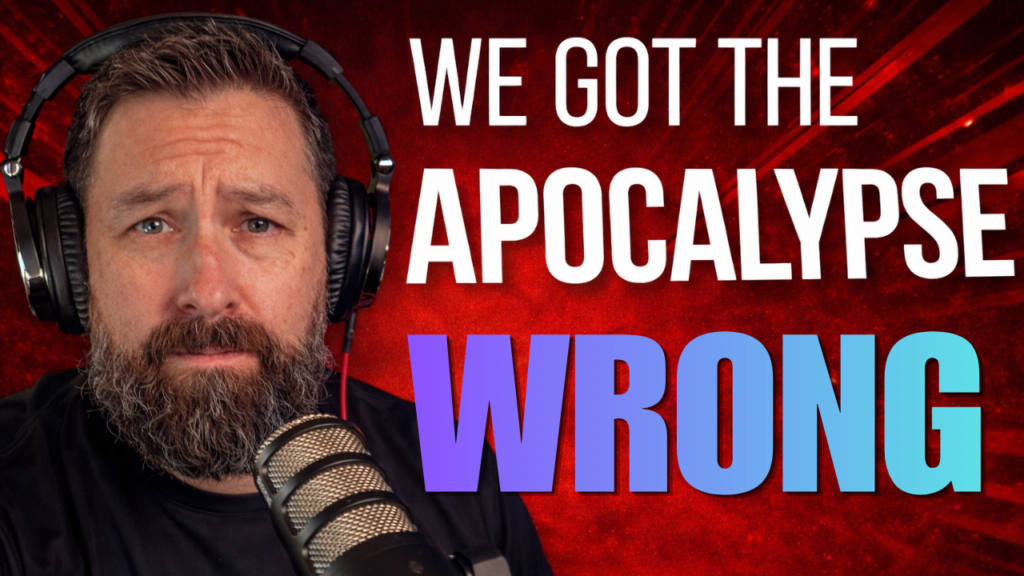
Apocalypse Explained: The Hidden Truth Behind the Term
When you hear the word “apocalypse,” what comes to mind? A catastrophic event? A world-ending scenario? Surprisingly, the term might be one of the most misunderstood words in our vocabulary. In this post, we’ll delve into the authentic meaning of apocalypse, tracing its evolution from a term for revelation to its current association with disaster. Join me as we explore its implications for humanity and what it might mean for our future.
The True Meaning of Apocalypse
The word “apocalypse” originates from the Greek word “apocalypsis,” which means to reveal or unveil something hidden. In ancient religious texts, an apocalypse was less about destruction and more about revelation—an unveiling of truths about reality or humanity’s fate. However, over time, its meaning shifted dramatically. Today, we often associate apocalypse with catastrophic events, such as nuclear war or natural disasters.
How the Meaning Changed
The transformation in the word’s meaning can be traced back to the Book of Revelations, a foundational text in Western culture. This book describes dramatic cosmic upheavals, wars, and the end of kingdoms. As the focus shifted to the calamities depicted, the term “apocalypse” became synonymous with chaos and destruction, overshadowing its original meaning of revelation.
Reflections of Human Fears
Throughout history, every civilization has created its own version of an apocalypse. From Norse mythology’s Ragnarok to the flood myths found across cultures, these stories often reflect the societal fears of the time. For example, during the Cold War, fears of nuclear annihilation prevailed. Today, concerns about climate change, pandemics, and technological disasters dominate the conversation about potential apocalyptic scenarios.
Apocalypse in Modern Storytelling
Post-apocalyptic narratives have surged in popularity, appearing in books, movies, and television shows. However, these stories often transcend the simplistic portrayal of collapse. They delve into human resilience, moral choices, and community dynamics in the face of adversity. As actor Jeffrey Dean Morgan famously stated, “It’s not a show about zombies; it’s a show about people.” This sentiment runs through many apocalyptic tales, emphasizing character development over mere survival.
What Can We Learn from Apocalypse?
The concept of apocalypse serves as a dual reminder: it warns us of potential dangers while also offering a glimpse of hope. It encourages introspection about what truly matters in our lives. If we consider apocalypse as a metaphor for revelation, we can understand that disasters can reshape societies, revealing their inherent strengths and weaknesses.
Conclusion
In summary, the word “apocalypse” has evolved from a term of revelation to one of chaos and destruction. However, this shift offers valuable insights into human nature and societal fears. As we navigate the complexities of modern life, we can find meaning in these narratives, prompting us to reflect on what truly matters.
For more on this topic, consider exploring the implications of modern disasters on societal structures.